
ACT Model
Access - Completion - Transition
The ACT Model in Bhutan
TVET institutions across Bhutan are committed to transforming their learning environments in alignment with the country’s TVET reform agenda. This transformation aims to create more inclusive, accessible, and supportive pathways that enable youth to enter, continue, and complete their academic journeys, leading to meaningful employment and entrepreneurship opportunities. Under the Bhutan Education and Skills Training (BEST) project, the ACT Model provides a structured, learner-centred approach to skills development. The model focuses on three interconnected pillars: Access, Completion, and Transition, to ensure equitable participation, quality learning experiences, and successful integration into the labour market.
Life Stories
From students impacted by the BEST project
Access focuses on removing systemic and practical barriers to entry, particularly for women, people with disabilities, and marginalized groups.
- Strengthening recruitment and outreach systems to reach diverse learners.
- Embedding gender-responsive and inclusive approaches within curricula.
- Improving institutional infrastructure to enhance physical and accessible learning environments.
STORY
Pema Yangzom, an Automotive Trainee from the Technical Training Institute Rangjung in Trashigang District, Bhutan, represents how improving access can transform participation in traditionally male-dominated fields. Initially uncertain about entering a field with few women, Pema was encouraged by her brother and supported by an inclusive learning environment that helped her overcome self-doubt.
Through the Bhutan Education and Skills Training (BEST) Project, Pema gained access to theoretical and practical gender-responsive training that equipped her with the skills, confidence, and sense of belonging needed to succeed. Her experience highlights how reducing barriers and creating inclusive systems not only supports individual learners, but also opens pathways for more young women to enter and thrive in non-traditional careers.
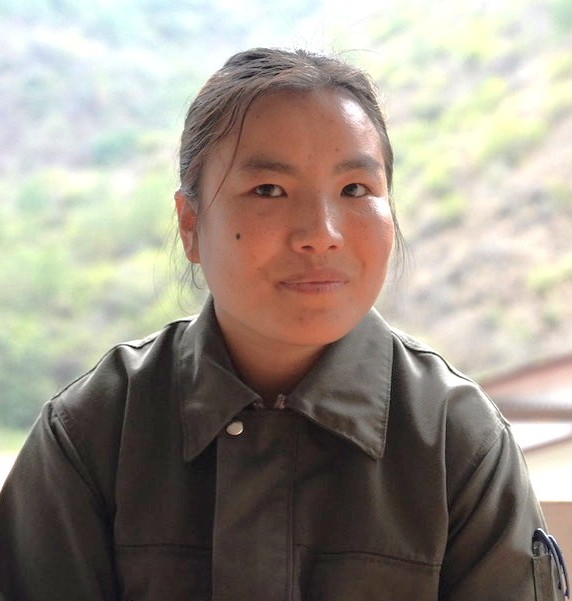
Pema Yangzom
Automotive Trainee - TTI Rangjung
Completion emphasizes learner retention and success through academic and non-academic support mechanisms that promote well-being and skill mastery.
- Providing non-academic counselling and student support services.
- Strengthening on-the-job training guidelines to align learning with industry needs.
- Delivering hands-on theoretical and practical support throughout training programs.
STORY
Sonam Wangmo is a Hair and Beauty Therapy alumnus from the Technical Training Institute Samthang in Punakha District, Bhutan. Now a Beautician, Sonam reflects on her time as a trainee at the institution where she gained the skills and knowledge required to succeed as a student and then transition into meaningful employment in her field.
As a trainee, Sonam engaged in theory and practice through course sessions, gaining technical skills in hairstyling, makeup techniques, and skincare treatments, as well as skills in professionalism, effective communication, customer service, and business ethics.
Her trainers, also mentors, guided her training with expertise, patience, and encouragement through every lesson and practice. The hands-on support and learning gave Sonam the ability to make her clients feel comfortable and valued in her care.
Equipped with the necessary skills to deliver hair and beauty therapy to clients, Sonam is prepared for a successful and meaningful career in the beauty industry, enhancing her expertise and growing both professionally and personally each day.
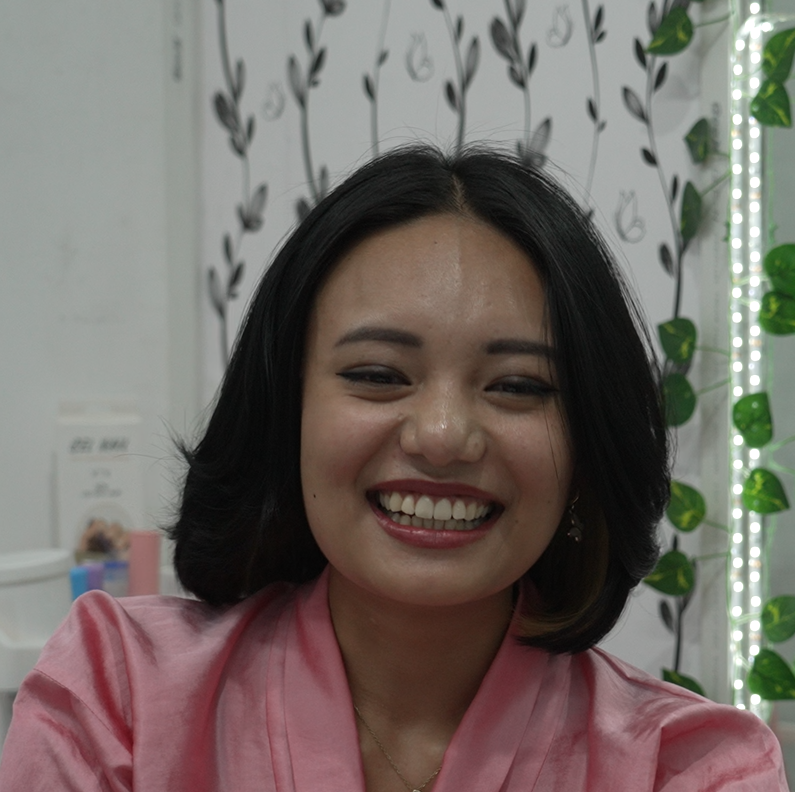
Sonam Wangmo
Hair and Beauty Therapy Alum - TTI Samthang
Transition supports graduates as they move from training into employment or entrepreneurship, ensuring skills translate into real-world outcomes.
- Establishing incubation hubs to foster innovation and entrepreneurship.
- Delivering career bootcamps focused on employability skills and job readiness.
- Facilitating in-the-field internships and attachment opportunities with industry partners.
STORY
Chencho Pemo is a Mechanical Technology alumna from the Technical Training Institute Khuruthang in Bhutan. Now working at Tashi Metals in the mechanical field, Chencho reflects on her training experience, where she built the technical knowledge and practical skills needed to transition into the workforce.
As a trainee, Chencho engaged in both theory and hands-on learning, developing core competencies in mechanical systems, tools, and maintenance, alongside essential workplace skills such as discipline, teamwork, and problem-solving. Through employability and job readiness skills, as well as in-the-field attachment opportunities with industry and partners, Chencho bridged the gap between training and employment.
Since joining Tashi Metals, Chencho has carried out her responsibilities with dedication and professionalism. Through her work, she is not only building a meaningful career but also demonstrating that women are equally capable of excelling in technical and mechanical professions traditionally dominated by men.

Chencho Pemo
Mechanical Technology Alumni - TTI Khuruthang
STORY
Karma Tenzin is a Zorig Chusum sculpture alumnus from the National Institute for Zorig Chusum. He began his journey in 1999, dedicating himself to mastering the traditional art of sculpture and overcoming challenges to refine his craft. Through training under master artisans in Bhutan, India, and Nepal, Karma developed the technical expertise and discipline needed to succeed in this highly specialized field.
As a trainee, he engaged in both theoretical and hands-on learning, building advanced skills in traditional sculpture alongside strong foundations in precision, perseverance, and artistic expression. His transition from training to professional practice was supported by mentorship and real-world exposure, enabling him to confidently apply his skills in professional settings.
Since 2012, Karma has been creating statues for temples and monasteries across Bhutan and internationally, establishing a stable and meaningful livelihood. In addition to his professional work, he actively contributes to skills development by training young Bhutanese artisans, passing on knowledge, and strengthening the continuity of traditional crafts.